
NRI Guide to Buying Property in Chennai

As an NRI, you can buy residential or commercial property in Chennai. You do not need RBI approval for this. You only need to pay through an NRE, NRO or FCNR account. You also need to avoid one category of property. Agricultural land, farmhouses and plantation property stay off limits for NRI buyers. This rule falls under FEMA, the law that governs foreign exchange in India.
Most NRI buyers do not struggle with this basic permission. They struggle with the paperwork, the payment route and the tax rules around it. This guide breaks each part down in plain language. It uses Sobha Wisteria, a coastal project in Siruseri, as a working example of how these rules play out in real life.
Can NRIs Buy Property in Chennai Without Special Permission
FEMA gives NRIs and OCI cardholders a general permission to buy property in India. This covers both residential and commercial units. You do not need separate RBI clearance for a normal apartment purchase. The only exception is agricultural land, farmhouses and plantation property. Resident Indians can buy these. NRIs cannot, unless they inherit them.
Chennai's coastal belt and IT corridor fall fully under this general permission. This includes OMR and ECR. You can buy a ready home, an under-construction apartment or a resale unit here. The process works the same way it would for a resident buyer. You still need to follow the payment and paperwork rules below.
Documents NRI Buyers Need Before They Book
Keep these documents ready before you shortlist a project. Builders and banks both ask for the same core set.
| Document | Purpose |
|---|---|
| Valid passport and visa or OCI card | Confirms your NRI or OCI status |
| PAN card | Needed for the transaction and for tax filing |
| Overseas address proof | Used for KYC and correspondence |
| NRE, NRO or FCNR account details | Needed for all payments toward the property |
| Power of Attorney, if buying remotely | Lets someone sign documents for you in India |
A missing PAN card causes the most common delay. Apply for one early if you do not have it yet.
How to Pay for a Chennai Property as an NRI
FEMA requires every payment to move through proper banking channels. You cannot pay in cash. You cannot send money through a route outside these approved accounts.
- An NRE account holds your foreign earnings in rupees. Money in this account moves back abroad freely later.
- An NRO account holds income you earn inside India, like rent or interest. Moving this money abroad comes with a yearly limit.
- An FCNR account holds your funds in foreign currency. This helps if you want to avoid early currency conversion.
- A direct bank transfer from your overseas account also works. It must pass through normal banking channels.
Pick your account with your future sale in mind, not just your purchase. This one choice affects how easily you move money abroad later.
TDS Rules to Know Before You Buy
Any property worth more than Rs. 50 lakh triggers a TDS rule. The buyer must deduct tax at source under Section 194-IA. This applies to every buyer, NRI or resident. It applies before you pay the seller or the builder.
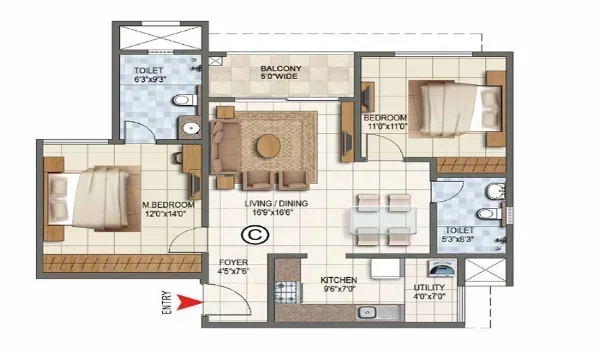
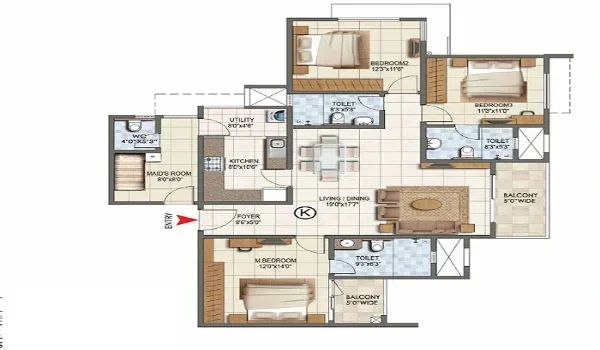
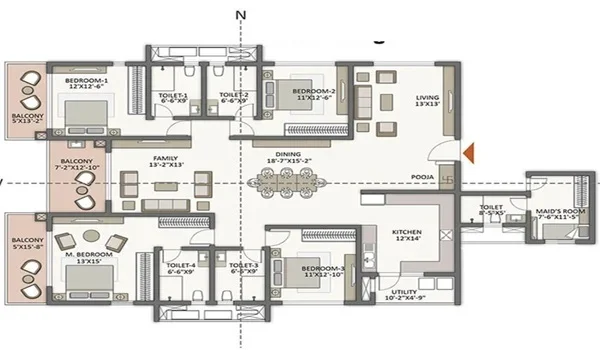
Most homes in Chennai's coastal and IT corridor cross this Rs. 50 lakh mark easily. Every configuration at Sobha Wisteria falls well above it too. So this rule applies to nearly every NRI purchase in this segment.
Talk to a chartered accountant before your first payment. Tax rules shift with each budget. A small mistake here creates a lot of paperwork later. Getting it right at the start saves you that trouble.
Buying Through a Power of Attorney
Many NRI buyers cannot travel to Chennai for every step. Site visits, agreement signing and registration all take time. A Power of Attorney solves this problem. It lets someone you trust act on your behalf in India.
Get this document notarised first. Then get it attested at the Indian consulate near you. Once you are back in India, or your representative is, get it adjudicated before you use it for registration. Skipping this step often gets the document rejected at the sub-registrar's office.
Repatriation Rules for When You Sell Later
Think about repatriation before you buy, not after you sell. Under current rules, you can send up to USD 1 million abroad each financial year from a property sale. This needs tax clearance and proper paperwork through your bank.
Money that first entered through an NRE account usually moves out more easily later. Money sitting in an NRO account carries more restrictions. This is one more reason to choose your funding account with care at the time of purchase.
Why NRIs Are Drawn to Chennai's Coastal Corridor
More NRI buyers now look at OMR and the coastal stretch near Siruseri. Two things drive this choice. IT professionals nearby create steady rental demand. The coastal location also supports long term price growth.
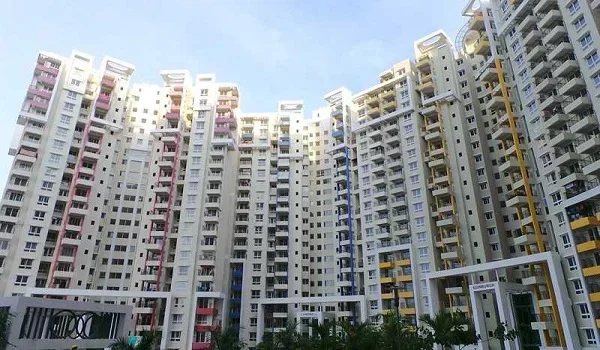
Sobha Wisteria fits this pattern well. It sits directly across SIPCOT IT Park. Every tower carries a planned sea view. Many NRI buyers want exactly this combination, a home that earns rent today and holds value for the family later. A builder with a strong national record also gives NRI buyers more confidence, since they cannot check every construction stage in person.
Common Mistakes NRI Buyers Should Avoid
- Paying through an account that skips the NRE, NRO or FCNR route. This creates compliance trouble later.
- Skipping the TDS deduction at payment time. This leads to notices and penalties down the line.
- Using a Power of Attorney that is not properly registered or attested. This can block registration entirely.
- Waiting until the sale to think about repatriation. Fixing this after the fact is much harder.
- Not checking RERA registration before paying beyond the booking amount.
FAQs
Yes. FEMA already gives NRIs and OCI cardholders general permission for this. No separate RBI approval is needed for a standard purchase.
Use an NRE, NRO or FCNR account, or send funds through a direct bank transfer. An NRE account usually makes future repatriation easier.
Yes. If the property costs more than Rs. 50 lakh, the buyer must deduct TDS under Section 194-IA. This rule applies to NRI and resident buyers alike.
Yes. A registered and properly attested Power of Attorney lets a trusted person sign documents and complete registration on your behalf.
Up to USD 1 million per financial year, once you clear the required tax checks and paperwork.
Yes. It sits near SIPCOT IT Park on OMR with a planned sea view, which suits NRI buyers who want steady rental demand and long term value from a trusted builder.
Buying property in Chennai as an NRI is simple once you know the steps. Pick the right account. Keep your PAN and Power of Attorney ready. Talk to a chartered accountant before you pay. These few steps protect your purchase today and make it easy to move your money later, whenever you decide to sell.