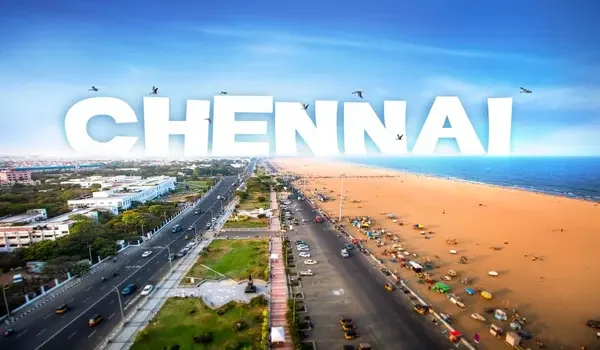
Chennai
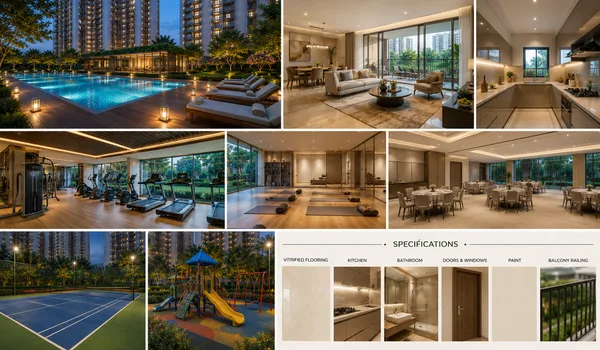
Chennai is the capital of Tamil Nadu. It sits on India's east coast, right on the Bay of Bengal. The city works as South India's gateway for trade, IT and healthcare. It mixes old temple towns with new tech corridors like OMR. Homes such as Sobha Wisteria are coming up along this growing stretch. This guide covers Chennai's map, its distance from other cities, its weather and its language. It also looks at what makes the city a good place to settle down.
About Chennai
Chennai began as a small trading post called Madraspatnam. The British East India Company set it up back in 1639. Over time it grew into Madras, a major port city under British rule. The state government renamed it Chennai in 1996. That name goes back to Chennapatnam, an old settlement on the same coast. Many locals still say "Madras" out of habit, even today.
Growth picked up fast after independence. Automobile plants came up on the outskirts in the 1990s. That earned Chennai the nickname "Detroit of India." Then the IT wave arrived. Roads like OMR, once lined with fishing hamlets, turned into a busy tech corridor. Areas such as Siruseri and Sholinganallur now host global IT firms. That job growth pulls families toward homes nearby. Sobha Wisteria sits right on this stretch, in Siruseri off OMR Road. This keeps it close to the job belt, away from the older, denser parts of the city.
Chennai today runs on a mix of trades. IT and IT-enabled services lead the way. Auto manufacturing, healthcare and finance follow close behind. Apollo Hospitals, one of India's biggest private health chains, started right here. The city draws patients from across South Asia for treatment. This has built up a whole network of hospitals, hotels and support jobs around it.
Where is Chennai Located?
Chennai sits on the southeast coast of India, facing the Bay of Bengal. It lies at about 13.08° N and 80.27° E, well inside the tropical belt. The city forms its own district. It also acts as the headquarters of that same Chennai district.
On a Chennai map, the city runs along the coastline rather than spreading out in a circle.
- Old George Town and the port sit in the north.
- The central hubs, including T Nagar and Anna Nagar, sit in the middle.
- South Chennai has grown into the newest part of the city, covering OMR, ECR and the IT corridor.
This southern belt is also where you find Siruseri and Sobha Wisteria, just off the main OMR stretch.
Chennai Capital and State Details
Chennai is the capital of Tamil Nadu, one of India's biggest industrial states. The state Secretariat, most courts and top government offices sit within the city. Chennai district is the smallest district in Tamil Nadu by area. Yet it holds one of the highest population densities in the country. The city is simply that compact and built up.
Tamil Nadu runs a strong economy built on manufacturing, textiles, IT and farming. Chennai, as the capital, pulls in a large share of that work. This is one big reason job seekers and firms keep picking the city over smaller Tamil Nadu towns.
Chennai City Name and What It Means
The name Chennai comes from Chennapatnam. This old settlement stood here before the British built their fort. Some historians trace it to Chennappa Nayakar, a local ruler's son. Others link it to older Tamil words tied to the coast itself. The switch from Madras to Chennai in 1996 fit a wider trend across India. Cities were going back to local names over colonial ones around that time. Bombay became Mumbai and Calcutta became Kolkata in much the same way.
Chennai Distance from Major Indian Cities
Distance and travel time matter if you plan to move here. They also matter if you travel often for work. Here is how Chennai connects to other major cities.
| From Chennai to | Road distance | Typical flight time |
|---|---|---|
| Bengaluru | 350 km | 1 hour |
| Hyderabad | 635 km | 1 hour 15 min |
| Mumbai | 1,330 km | 2 hours |
| Delhi | 2,194 km | 2 hours 40 min |
| Coimbatore | 500 km | 1 hour 10 min |
The Bengaluru-Chennai Expressway is under work and set to open soon. Once ready, it should cut road travel between the two cities. The trip should drop from 7 hours to close to 3 hours. That matters for IT staff who split time between both cities. It also makes homes on the OMR side of Chennai handier to live in.
Chennai Directions and How to Get Around
Getting into Chennai is simple. The city has an airport, two ports and a dense rail line. Chennai International Airport links to most Indian metros. It also links to spots across Asia and the Middle East. Chennai Central and Chennai Egmore handle long distance trains. Local trains and the MRTS cover short hops within the city.
Directions within Chennai often turn on two main roads.
- OMR (Rajiv Gandhi Salai) runs along the IT belt in the south.
- ECR (East Coast Road) hugs the coast and leads toward beach towns like Mahabalipuram.
Sobha Wisteria sits between these two roads in Siruseri. This gives residents an entry and exit point from both sides. You do not have to rely on just one busy stretch of road.
Chennai Metro is changing how people move around the city too. Phase 2 is under work right now. It will add close to 119 km of new lines across three lines. These lines will link Madhavaram, Sholinganallur and the SIPCOT belt near Siruseri. Once running, trips from the IT corridor to the city core should drop by close to half.
Chennai Weather and Climate
Chennai runs a hot, humid climate through most of the year. Summers, from April to June, bring the toughest heat. Daytime heat often crosses 38 to 40 degrees Celsius. The city has even hit 41 degrees on peak summer days. Winters stay mild rather than cold. December and January usually sit in a comfy 20 to 29 degree range.
The northeast monsoon lands between October and December. It brings most of Chennai's yearly rain. This differs from much of India, which gets its main rain earlier in the year. If you move from a cooler city, plan to lean on your AC. You will need it for a good part of the year, most of all between March and July.
Latest Chennai News and Infrastructure Updates
Chennai's infrastructure is changing fast right now. Most of this growth favours the OMR and South Chennai belt. Sobha Wisteria sits right in this zone.
- Chennai Metro Phase 2 is moving ahead on the Purple, Yellow and Red lines. The Poonamallee-Vadapalani stretch already runs, with more sections due through 2026 and 2027.
- Red Line progress will link Madhavaram to Sholinganallur. This cuts straight through the IT belt near Siruseri and Perungudi.
- Bengaluru-Chennai Expressway spans 258 km on four lanes. It is set to finish in 2026 and will sharply cut travel time between both IT hubs.
- Chennai Peripheral Ring Road runs 133 km, linking Ennore Port to Mahabalipuram. It should ease the heavy traffic building up around the city edges.
- DLF Downtown Chennai, a large IT park in Taramani, is now under work. It should create close to 70,000 IT jobs and lift housing demand nearby.
- New sea bridge will link Chennai Port to Tiruvottiyur. This should cut heavy port traffic on inner city roads.
- OMR price growth near Sholinganallur and Siruseri keeps holding steady. Metro links and IT growth are both moving south along this belt.
- Health and education growth continues too. New hospital wings and college blocks add to the pull for families moving in from other states.
Chennai Property Market and Why Homebuyers Are Looking Here
Chennai real estate has grown at a steady pace. It has grown slower than Bengaluru or Mumbai, and that keeps entry prices fairer for new buyers. OMR stays the most active belt for flat demand. IT jobs, new metro lines and better roads all push this demand up.
Siruseri, where Sobha Wisteria sits, holds a sweet spot on this belt. It stays close enough to big IT parks like SIPCOT to cut your daily commute. At the same time, it sits far enough from the city core. This lets it offer bigger homes at a fairer rate per square foot. As metro Phase 2 reaches this stretch, prices here could rise. Phase 1 spots like Koyambedu saw strong gains between 2015 and 2022 for the same reason.
Buyers who compare Chennai with Bengaluru or Hyderabad often cite three draws. These are lower entry prices, a coastal climate and steady rent demand from IT staff along OMR.
FAQs
Chennai is known for its IT and auto trades, its temples, and its Carnatic music and dance scene. Marina Beach, one of the longest city beaches in the world, adds to its pull. The city also carries a strong name as India's health hub.
Chennai was once known as Madras. That name stayed in use through British rule and for decades after independence. The Tamil Nadu government renamed it Chennai in 1996. Even so, many folks still use both names in daily talk.
Chennai stays hot for most of the year. Summer heat often crosses 38 to 40 degrees Celsius between April and June. Winters are mild, not cold. They sit between 20 and 29 degrees, so the city rarely feels chilly, even in December.
Tamil is the main tongue spoken across Chennai. It is used in government offices, schools and daily talk. English is widely understood too, most of all in business and IT workplaces. Telugu, Hindi and other Indian tongues are common among migrant groups.
Chennai runs cheaper than Bengaluru and Mumbai on most daily costs. This spans transport, rent and utility bills. Property rates along growth belts like OMR still sit below matching Bengaluru spots. That is one reason more buyers from other states now look at Chennai.
Bengaluru posts a higher average income and a bigger IT and startup base. Chennai holds its own through auto, health and manufacturing strength. Its lower cost of living also helps close the income gap for daily residents.