
What to Expect During the Apartment Buying Process
What to expect during the apartment buying process is a set of clear steps. They run from budget planning to the day you collect your keys. You start by fixing your budget and loan eligibility. Then you shortlist projects and check their RERA registration and approvals. Next comes the site visit, booking, allotment letter and a registered agreement for sale. After that, your bank sanctions the loan, you pay in stages and you register the sale deed. The process ends with a snag inspection, handover and transfer of utilities in your name. For a new under-construction flat, the journey can take three to four years. A ready flat can close in one to three months.
The Apartment Buying Process at a Glance
| Step | What Happens | Typical Time |
|---|---|---|
| 1. Budget and loan check | Fix your budget and get an in-principle loan approval | 1 to 2 weeks |
| 2. Shortlist and research | Compare projects, builders and locations | 2 to 6 weeks |
| 3. Legal and RERA checks | Verify RERA, approvals and title | 1 to 2 weeks |
| 4. Site visit | See the site, model flat and surroundings | 1 day to 2 weeks |
| 5. EOI or booking | Pay the booking amount and pick a unit | 1 day |
| 6. Allotment and agreement | Get the allotment letter and sign the agreement for sale | 2 to 6 weeks |
| 7. Home loan sanction | Bank approves the full loan against the agreement | 2 to 4 weeks |
| 8. Construction payments | Pay in stages as the building rises | 2 to 4 years |
| 9. Sale deed registration | Register the deed at the sub-registrar office | 1 day |
| 10. Possession and handover | Inspect the flat, collect keys and transfer utilities | 2 to 6 weeks |
Step 1: Fix Your Budget and Loan Eligibility
Start with what you can comfortably pay, not what a bank will lend. Banks fund up to 75% of the property value for loans above ₹75 lakh. You need the rest from your own savings.
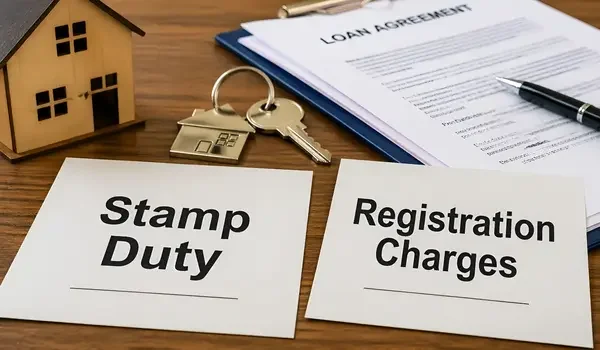
Add stamp duty, registration, interiors and a maintenance deposit to your budget. In Tamil Nadu, first-sale flats pay 6% to 9% in stamp duty and registration, based on value. An in-principle loan approval from your bank helps you shop with a clear number in mind.
Step 2: Shortlist Projects and Locations
Compare three to five projects on location, builder record, price per sq ft and possession date. Look at the carpet area, not just the built-up area, since that is the space you actually use.
Visit the locality at different times of day. Check the commute to your office, nearby schools and hospitals, and the road during heavy rain.
Step 3: Check RERA, Approvals and Title
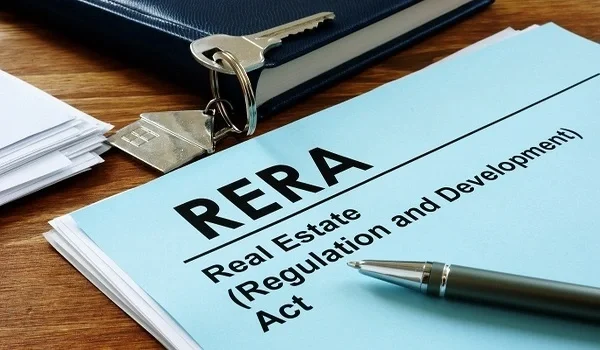
This step protects your money more than any other. Under RERA, a builder cannot book or sell units until the project carries a registration number.
Search the project on the TNRERA portal and confirm the registration number, approved plans and committed completion date. Ask for the planning permit from CMDA or DTCP and the title documents of the land. Your bank's legal team will also check these before it approves the loan.
Step 4: Visit the Site and Model Flat
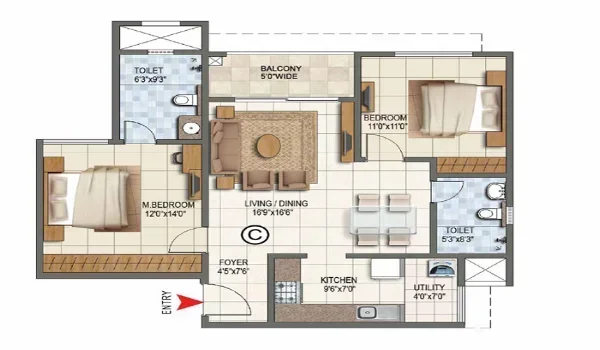
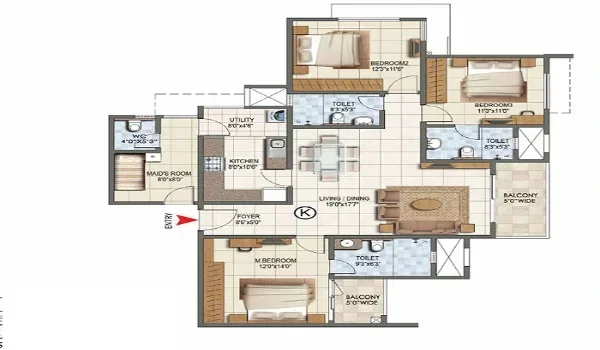
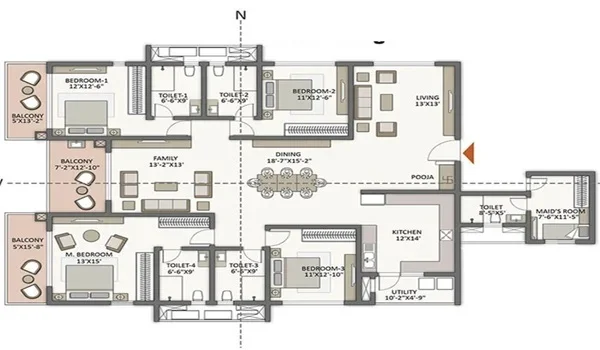
A site visit shows you what the brochure cannot. Walk through the model flat and measure the rooms, checking the light, ventilation and view.
Ask which tower and floor the model represents, since view and light change with height and facing. Also note the distance from your tower to the gate, the clubhouse and the parking ramp.
Step 5: Pay the EOI or Booking Amount
For a pre-launch project, you may first submit an Expression of Interest with a refundable cheque. Once the project gets RERA registration and units open, you convert this into a booking.
At booking, you pay a set amount and pick a specific unit. Under RERA Section 13, a builder cannot take over 10% of the cost before a registered sale agreement. Get a receipt for every payment.
Step 6: Get the Allotment Letter and Sign the Agreement
The builder issues an allotment letter that names your unit, floor, tower, carpet area and price. Read it carefully and match every detail with what you agreed.
Next, you sign the agreement for sale. This document sets out the payment plan, possession date, penalty for delay, cancellation terms and specifications. Read the clauses on delay compensation and cancellation charges before you sign.
Step 7: Get Your Home Loan Sanctioned
Once you sign the agreement, your bank processes the full loan sanction. It checks your income, credit score and the project's legal papers.
For an under-construction flat, the builder, the bank and you may sign a tripartite agreement. The bank then releases money in stages as construction progresses.
Step 8: Pay as Construction Progresses
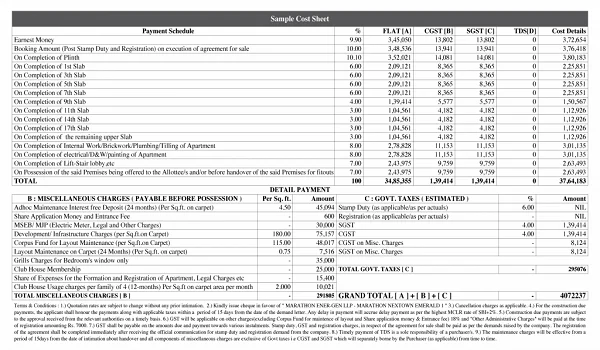
Under a construction-linked plan, you pay part of the price at each stage. These include the foundation, each floor slab and finishing. The builder sends a demand letter, and the bank pays its share directly.
Track construction progress on the RERA portal, where builders post quarterly updates. During this phase, you pay pre-EMI interest on the loan amount released so far.
Step 9: Register the Sale Deed
Close to possession, the builder registers the sale deed in your name at the sub-registrar office. In Tamil Nadu, first-sale flats use one sale deed on the composite value of land share and building.
You pay stamp duty and registration at this stage. Carry your identity proofs, PAN, photographs and payment proofs. Once registered, the flat legally belongs to you.
Step 10: Inspect, Take Possession and Settle In
Before you accept the keys, do a detailed snag inspection. Check walls, tiles, doors, windows, plumbing, electrical points and the balcony drainage. List every defect in writing and ask the builder to fix it.
Collect the completion or occupancy certificate, the possession letter and warranty papers for fittings. Transfer the electricity connection and property tax to your name, and join the residents' association.
Under RERA, the builder must fix structural and workmanship defects reported within five years of handover. Keep a record of any issue you raise.
Documents You Will Need
- PAN card and Aadhaar card for every buyer
- Passport, visa and overseas address proof for NRI buyers
- Salary slips, Form 16 or income tax returns for the loan
- Bank statements for the last six months
- Booking receipt, allotment letter and agreement for sale
- Loan sanction letter and tripartite agreement, if applicable
How This Process Applies at Sobha Wisteria
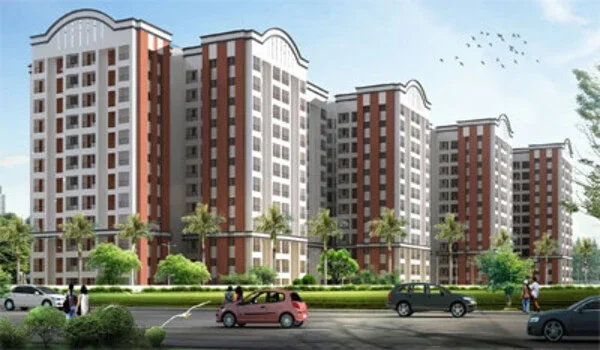
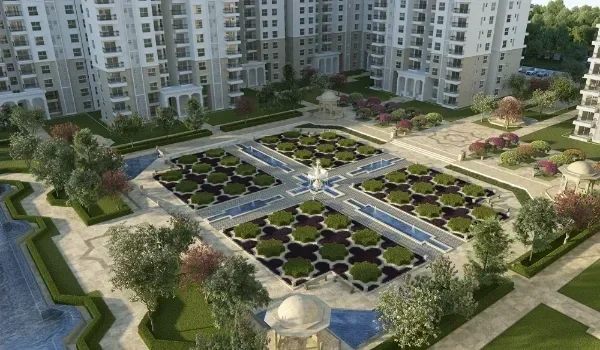
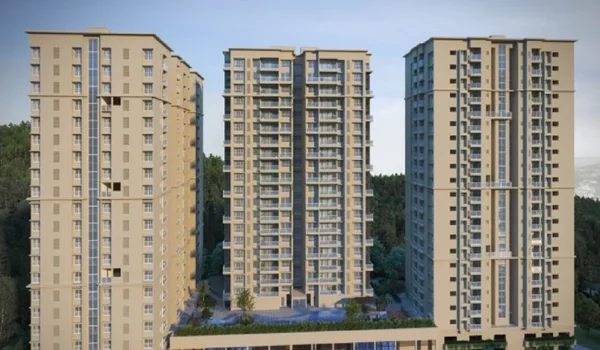
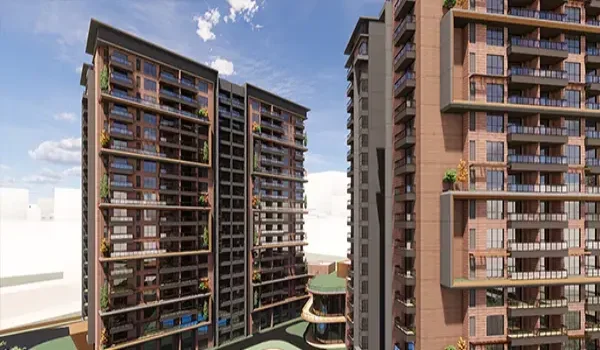
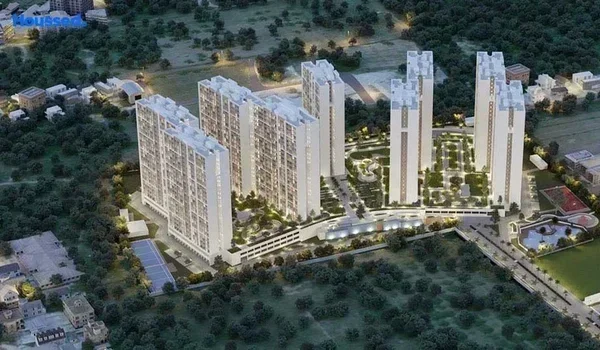
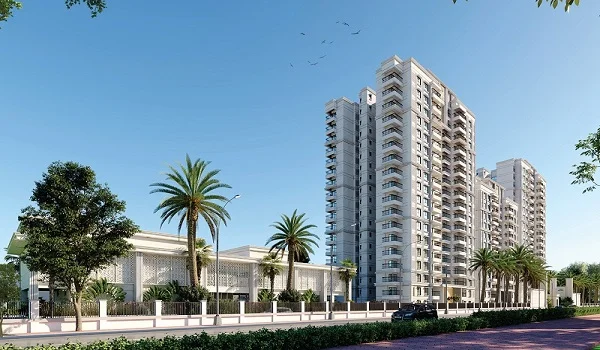
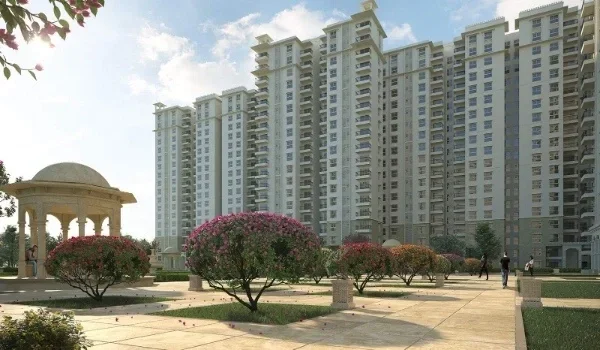
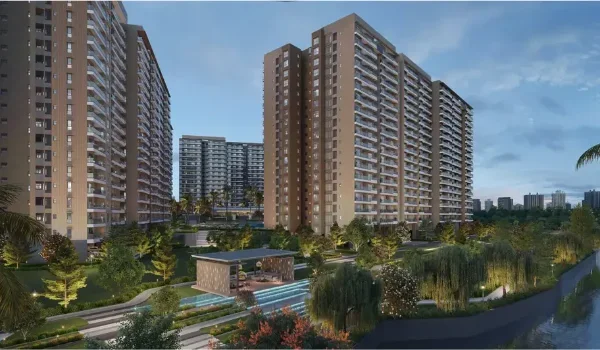
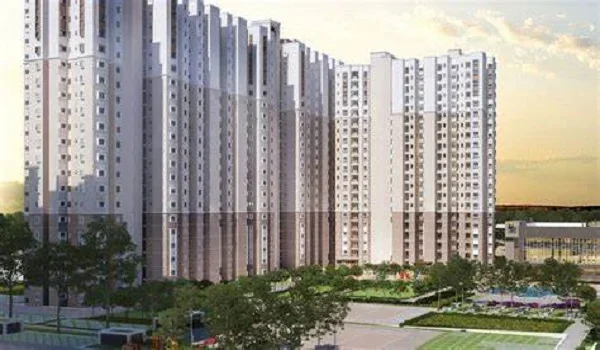
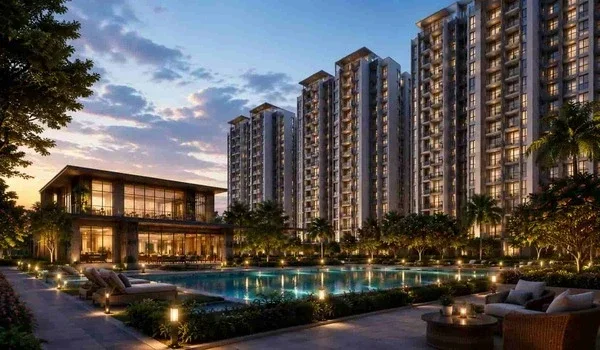
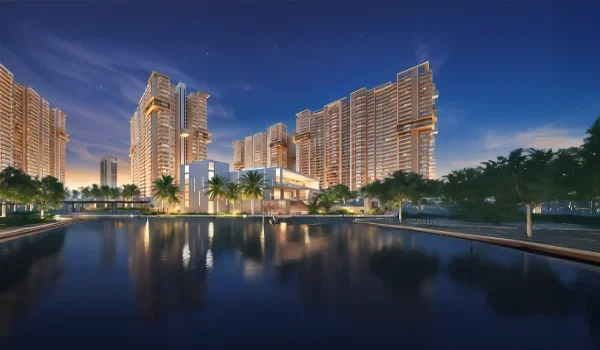
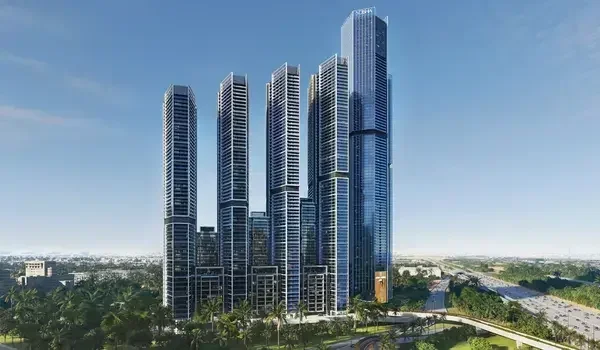
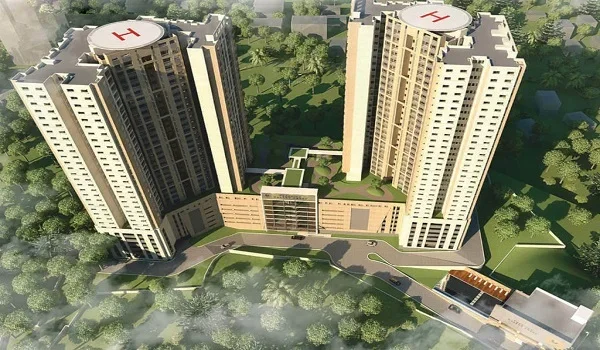
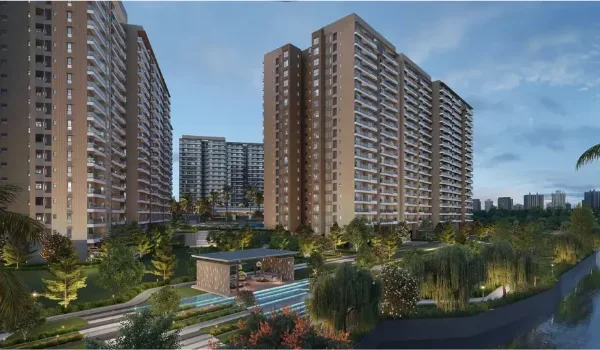
Sobha Wisteria is an upcoming high-rise project by Sobha Limited in Siruseri, opposite SIPCOT IT Park. It plans 906 sea-view homes across 5 towers, with possession expected in 2030.
The project is now at the Expression of Interest stage, while it awaits TN RERA approval. Formal booking, allotment and the agreement for sale follow once TN RERA issues the number. After that, payments follow a 10:10:80 plan, with 80% linked to construction milestones.
FAQs
Fix your budget, shortlist projects, check RERA and title, and visit the site. Then book, sign the agreement, get the loan, pay in stages, register the deed and take possession.
A ready flat can close in one to three months. An under-construction flat takes three to four years from booking to handover.
Under RERA Section 13, a builder cannot collect over 10% of the cost before a registered sale agreement.
Check the RERA registration, planning permit, land title and builder record. Also compare the carpet area and the full cost sheet.
First-sale flats pay 6% up to ₹50 lakh, 7% from ₹50 lakh to ₹3 crore and 9% above. This covers stamp duty and registration together.
Check walls, tiles, plumbing, electrical points and drainage, and list every defect in writing. Collect the completion certificate and possession letter.
Knowing each step in advance takes the stress out of buying a home. It also helps you spot problems early. Keep every document, receipt and letter in one file from the first payment to the final handover. For the investment side of buying in Siruseri, read the Sobha Wisteria Investment guide.