
Home Loan Tax Benefits for Sobha Wisteria Buyers: Section 24(b) and 80C
Home loan tax benefits for Sobha Wisteria buyers under Section 24(b) and 80C cut your yearly tax. You can deduct up to ₹2 lakh a year on interest and up to ₹1.5 lakh on principal. Both apply under the old tax regime, for a home you live in. From tax year 2026-27, the Income-tax Act, 2025 moves these to Sections 22 and 123. The limits stay the same. Sobha Wisteria is an under-construction project, with possession expected in 2030. So your claims start from the year construction completes. You then claim interest paid during construction in five equal yearly parts, within the same ₹2 lakh cap.
The Two Deductions at a Glance
| Feature | Interest Deduction | Principal Deduction |
|---|---|---|
| Old section (1961 Act) | Section 24(b) | Section 80C |
| New section (2025 Act) | Section 22 | Section 123 |
| Yearly limit, self-occupied home | ₹2 lakh | ₹1.5 lakh, shared with other 80C items |
| Let-out home | Full interest, no cap | ₹1.5 lakh |
| Tax regime | Old regime for self-occupied, both for let-out | Old regime only |
| When it starts | From the year construction completes | From the year construction completes |
The Income-tax Act, 2025 came into force on 1 April 2026. If you file for income earned up to March 2026, you still use the old section numbers. From tax year 2026-27, the new numbers apply, though the limits stay the same.
Section 24(b): Interest on Your Home Loan
Section 24(b), now Section 22, covers the interest part of your EMI. For a self-occupied home, you can claim up to ₹2 lakh a year under the old regime.
In the early years of a large loan, interest makes up most of each EMI. On a ₹1.20 crore loan at 8% over 20 years, first-year interest alone comes to about ₹9.5 lakh. So you will hit the ₹2 lakh cap every year for a long time.
The new tax regime does not allow this deduction for a self-occupied home. If home loan interest drives your tax plan, compare both regimes each year before you file.
Section 80C: Principal Repayment
Section 80C, now Section 123, covers the principal part of your EMI. The ₹1.5 lakh yearly limit also covers PF, PPF, ELSS and life insurance premiums.
Many salaried buyers already fill most of this limit through EPF. If that applies to you, the principal deduction may add little extra saving. Check your existing 80C items before you count on this benefit.
The same section also lets you claim stamp duty and registration charges, in the year you pay them. This also falls within the ₹1.5 lakh limit.
The Under-Construction Rule That Matters Most
This is where many buyers get caught out. You cannot claim either deduction while the building is still under construction.
Pre-construction interest. Add up the interest you pay before possession, including pre-EMI. You then claim it in five equal parts, starting from the year construction completes.
The cap still applies. These five parts fall within the same ₹2 lakh yearly limit for a self-occupied home. If your regular interest already exceeds ₹2 lakh, the pre-construction part adds no extra saving.
The five-year completion rule. Construction must finish within five years from the end of the year you took the loan. If it takes longer, the self-occupied interest cap drops to ₹30,000 a year.
No 80C during construction. You cannot claim principal paid before possession under 80C at all.
For Sobha Wisteria, Sobha Limited expects possession in 2030 after a four-year build. So time your loan sanction close to formal booking, which follows TN RERA approval. This keeps you inside the five-year window.
Joint Home Loans Double the Benefit
If you buy with your spouse or a family member, each co-borrower can claim separately. Both must co-own the property and both must repay the EMI from their own income.
In the 30% slab, each spouse can claim ₹2 lakh on interest and ₹1.5 lakh on principal. Together, that lifts the yearly tax saving to about ₹2.18 lakh.
Split the ownership share and the EMI share in the same ratio. A clear record of who pays what avoids questions from the tax department later.
How Much Can You Actually Save?
Here is a simple estimate for one borrower under the old regime, including 4% cess.
| Tax Slab | Saving on ₹2 Lakh Interest | Saving on ₹1.5 Lakh Principal | Total Yearly Saving |
|---|---|---|---|
| 20% | ₹41,600 | ₹31,200 | ₹72,800 |
| 30% | ₹62,400 | ₹46,800 | ₹1,09,200 |
These figures apply only if your 80C limit still has room. They also apply only if you pick the old regime for that year.
If You Rent Out Your Sobha Wisteria Home
A let-out home follows different rules. You can deduct the full interest against rental income, with no ₹2 lakh cap, under both regimes.
If interest exceeds the rent, you get a loss from house property. The old regime lets you set off up to ₹2 lakh of this loss against salary each year. The rest carries forward for up to eight years. Under the new regime, this set-off against salary is not allowed.
One Rule to Remember When Selling
Sell the home within five years from the end of your possession year, and your 80C claims reverse. The tax department adds the total back to your income in the year of sale.
So if you plan a quick exit after possession, do not count on the 80C benefit. The interest deduction does not reverse this way.
Where Sobha Wisteria Buyers Stand
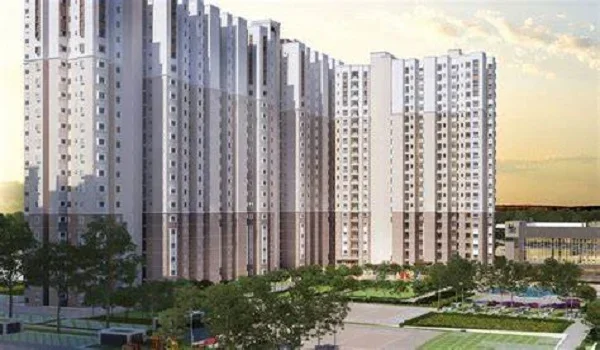
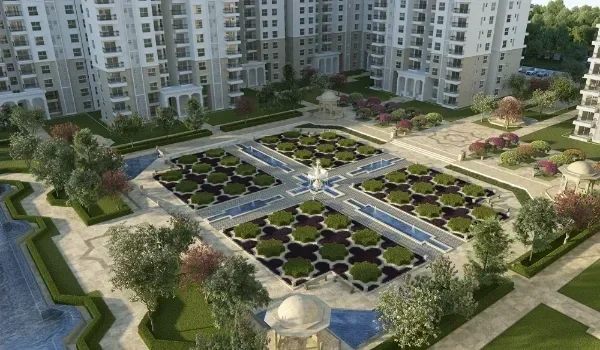
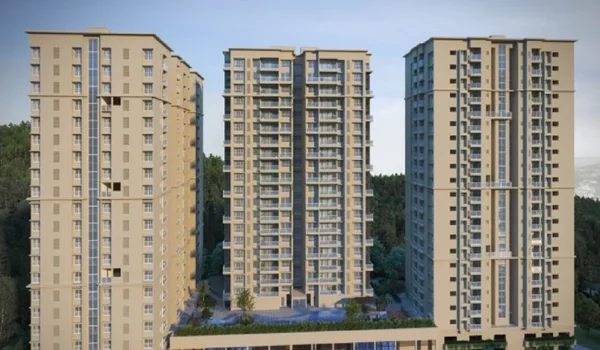
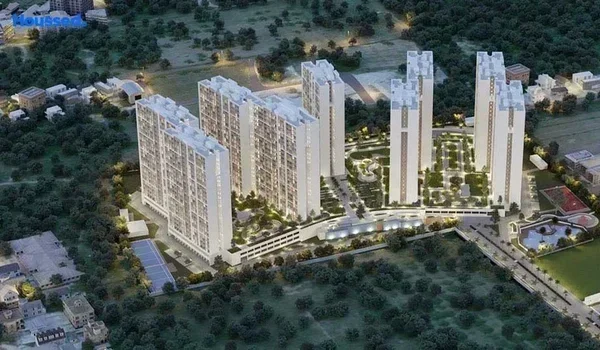
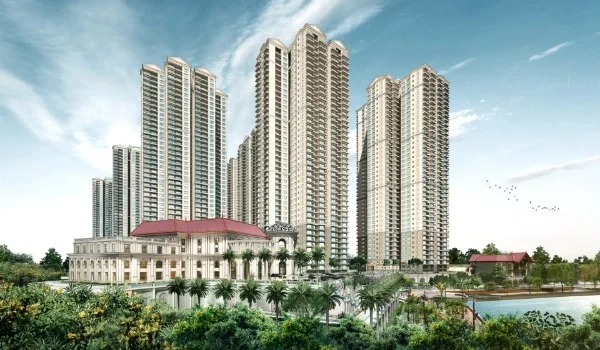
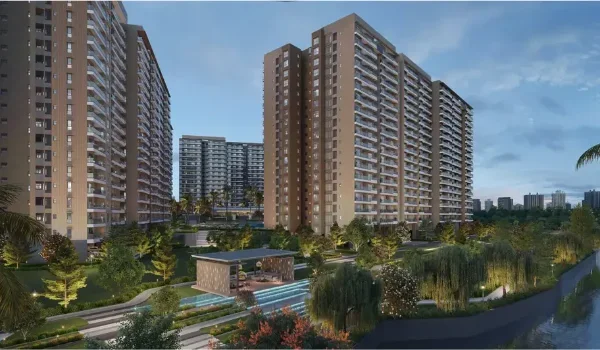
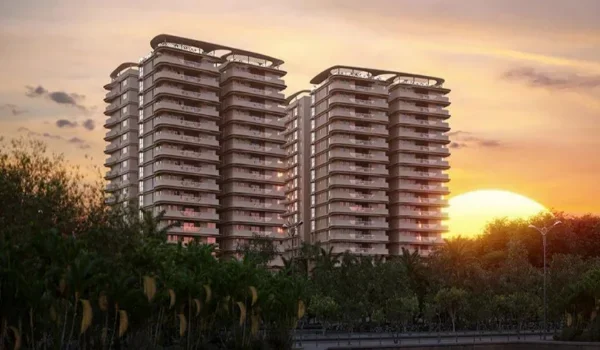
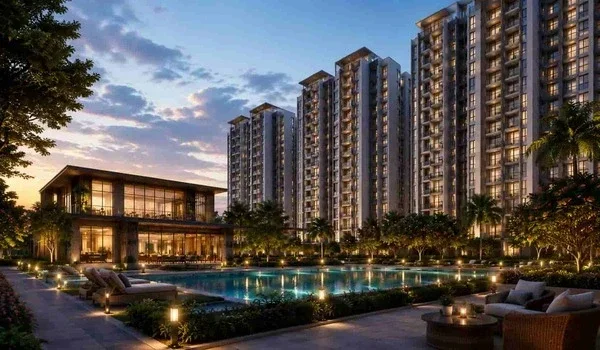
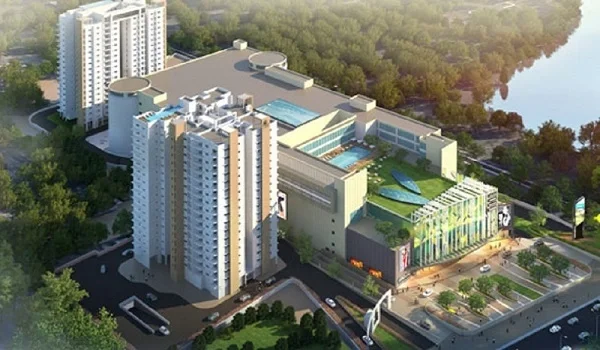
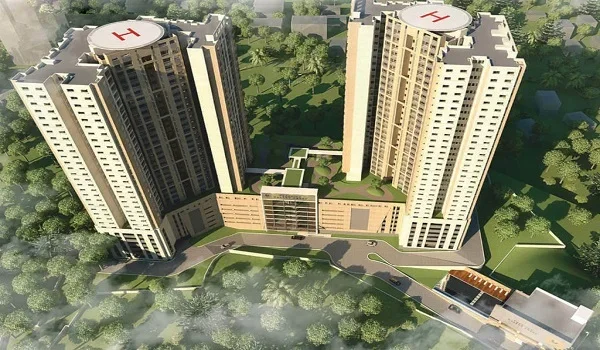
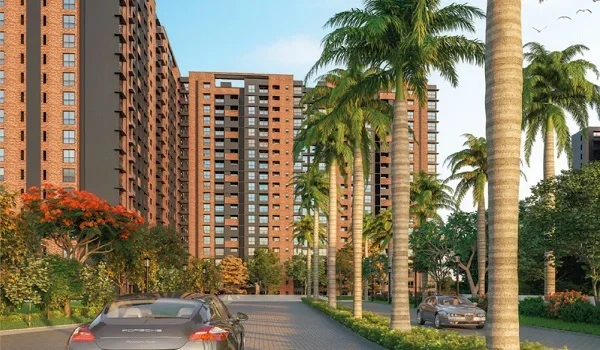
Sobha Wisteria is an upcoming high-rise project by Sobha Limited in Siruseri, opposite SIPCOT IT Park. Pre-launch pricing runs from ₹93 lakh for a 1 BHK to ₹3.20 crore for a 4 BHK, all-inclusive. With a 10:10:80 construction-linked plan, your loan disburses in stages, and pre-EMI interest builds up until handover.
The project awaits TN RERA approval. Once bookings open, speak to your tax advisor before you sign the loan. Discuss the regime choice and the five-year completion window.
FAQs
Up to ₹2 lakh a year for a self-occupied home, under the old regime. For a let-out home, you can claim the full interest.
From tax year 2026-27, Section 24(b) becomes Section 22 and Section 80C becomes Section 123. The limits stay the same.
No. Claims start from the year construction completes. You then claim pre-construction interest in five equal parts from that year.
Yes, if you both co-own the home and both repay the EMI. Each of you can claim up to ₹2 lakh on interest and ₹1.5 lakh on principal.
Not for a self-occupied home. The new regime allows interest deduction only for a let-out home, without set-off against salary.
Yes, in the year you pay it, within the ₹1.5 lakh overall limit. This covers stamp duty and registration charges.